2026 Guide
10 Skills Every Corporate Trainer Must Have
Have you ever attended a training session that started with great expectations but left you checking the clock every few minutes?
Or perhaps you've wondered why some trainers can keep an audience engaged for hours while others struggle to hold attention despite having deep expertise?
The truth is, being a successful corporate trainer requires much more than subject knowledge. It involves the ability to connect with learners, create engaging experiences, and inspire meaningful change.

But Here's the Question Most Aspiring Trainers Struggle With: If you already have years of industry experience and strong subject knowledge, why do some training sessions inspire action while others are quickly forgotten?
The answer is simple.
Successful corporate training is not just about sharing information. It's about creating learning experiences that motivate people to think differently, improve their skills, and apply what they learn in the real world.
Let's break it down in a simple way and help you decide what works best for your situation.
Why Skills Matter More Than Subject Knowledge
A common misconception is that trainers succeed because they know a lot. That's only partly true.
Think About Your School Days
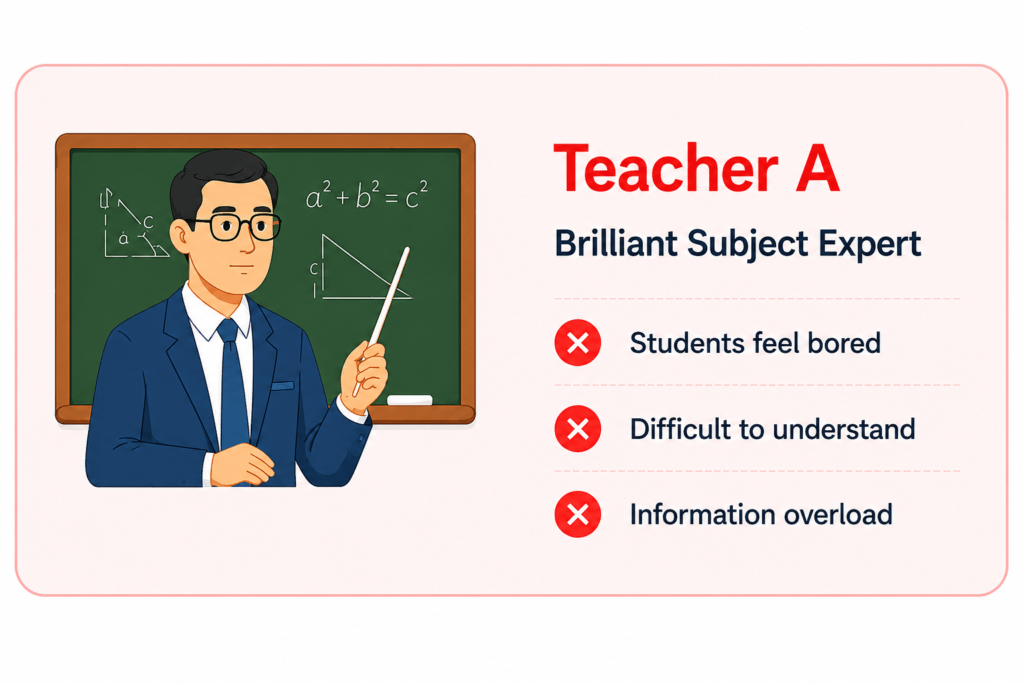

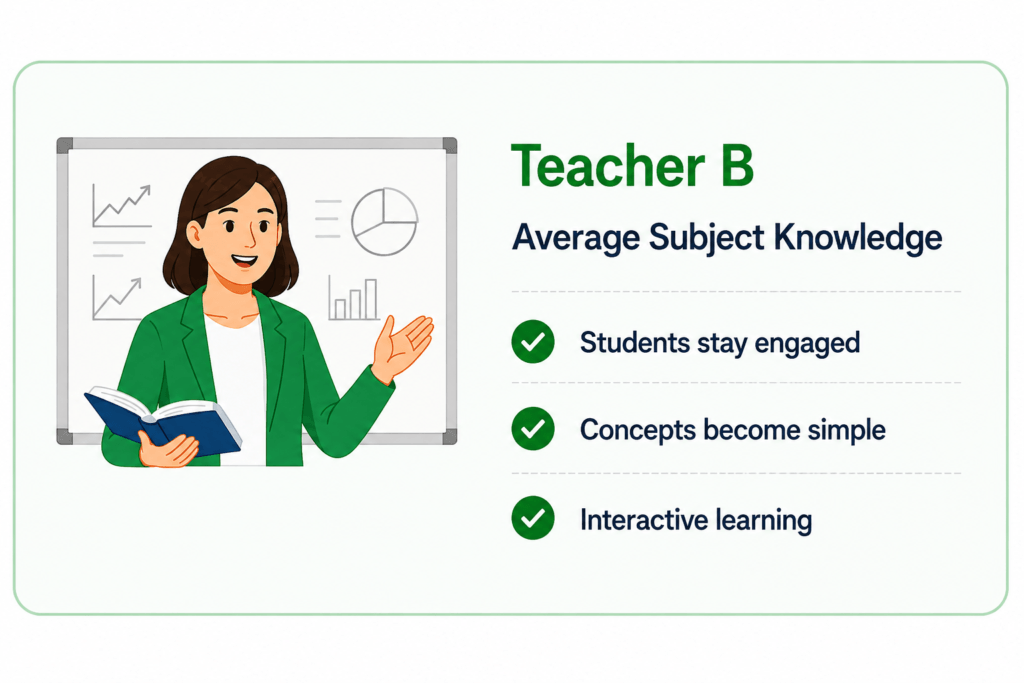

The difference wasn't knowledge.
It was Training Skills.
The best corporate trainers know how to engage, inspire, simplify, and create learning experiences that people remember.
Let's look at the skills that make that possible.
10 Skills Every Corporate Trainer Must Have
01. Communication Skills
This is the foundation of every trainer's career. If learners cannot understand your message, nothing else matters.
Good trainers know how to:
• Speak clearly
• Explain complex ideas simply
• Use examples people can relate to
• Adjust their language based on the audience
Whether you're training fresh graduates or experienced managers, your communication skills directly influence your impact as a trainer.
- Practice speaking daily
- Record yourself
- Join public speaking groups
- Conduct small learning sessions
02. Facilitation Skills
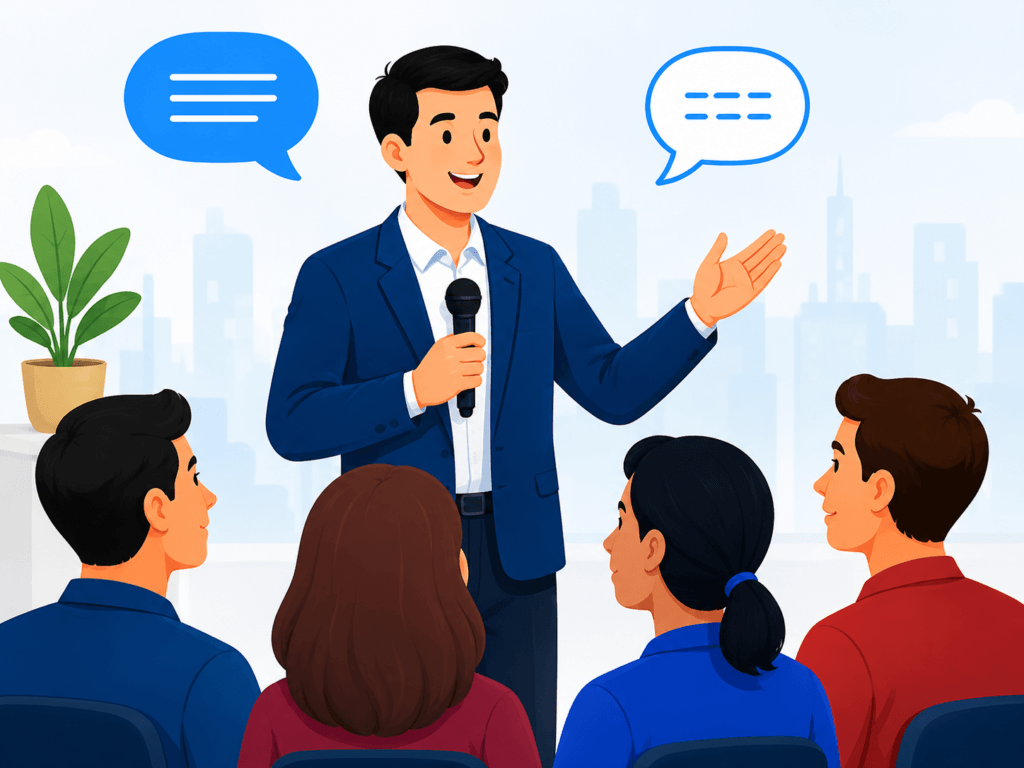
Many beginners think training means talking. Actually, training is about facilitating learning.
A trainer should guide discussions, ask questions, encourage participation, and help learners discover answers themselves.
The best sessions feel like conversations, not lectures. Facilitation and group management are core capabilities highlighted in Train-the-Trainer programs.
- Use group activities
- Ask open-ended questions
- Encourage learner interaction
- Practice moderating discussions

03. Presentation Skills
Great content delivered poorly becomes forgettable. Average content delivered well becomes memorable.
Presentation skills include:
• Voice modulation
• Body language
• Eye contact
• Stage presence
• Visual storytelling
A confident trainer can hold attention even without complicated slides.
- Present regularly
- Watch experienced speakers
- Learn storytelling techniques
- Focus on audience engagement

04. Emotional Intelligence
People don't learn effectively when they feel judged, ignored, or disconnected. That's why emotional intelligence is a superpower for trainers.
It helps you:
• Understand learner emotions
• Build trust quickly
• Handle difficult participants
• Create psychological safety
Modern learning and development experts increasingly view emotional intelligence as a critical trainer skill.
- Listen more than you speak
- Observe participant reactions
- Practice empathy
- Learn active listening

05. Public Speaking Confidence
A trainer may face:
• 10 participants
• 100 employees
• 500 students
• Virtual audiences across India
Fear of speaking can limit growth. Confidence doesn't mean being fearless. It means delivering value despite nervousness.
- Practice short talks daily
- Conduct mock sessions
- Volunteer for presentations
- Focus on helping people rather than impressing them

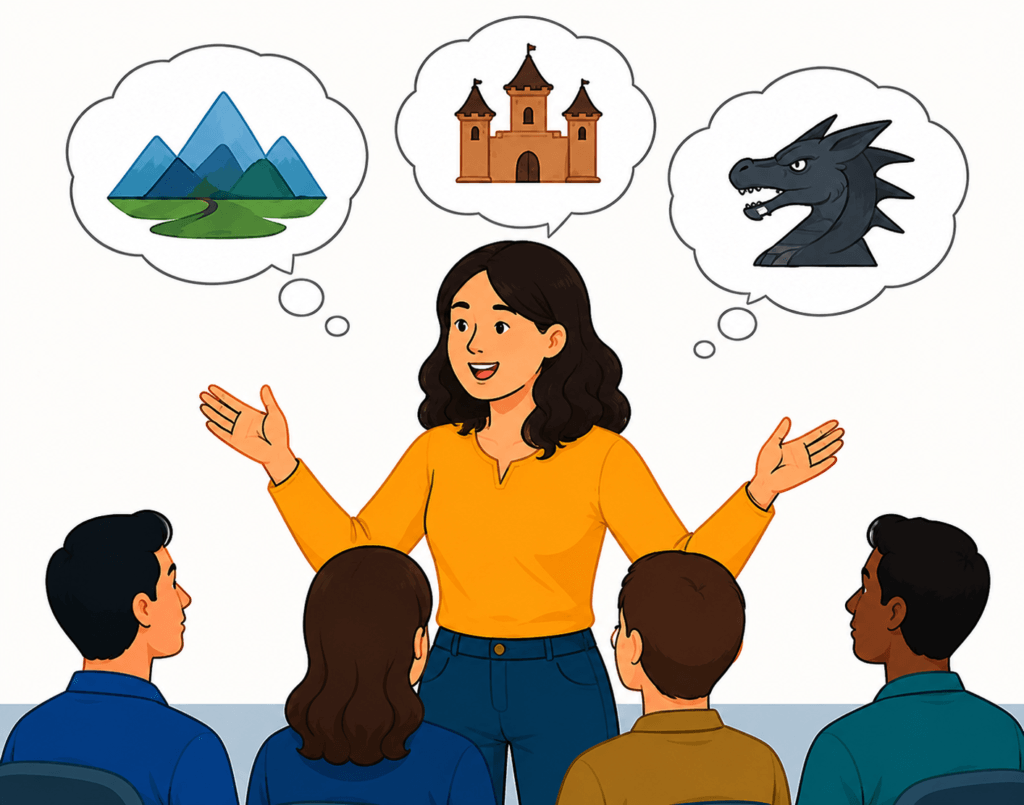
06. Storytelling Skills
Facts are forgotten. Stories are remembered.
The best trainers use stories to:
• Explain concepts
• Build emotional connection
• Increase retention
• Make learning enjoyable
A leadership lesson becomes powerful when supported by a real-life story.
- Collect experiences from work
- Read biographies
- Use case studies
- Structure stories with a beginning, challenge, and outcome
07. Continuous Learning Mindset
The best trainers are lifelong learners. They read. They observe. They attend workshops. They constantly upgrade their skills.
Because the moment a trainer stops learning, their growth stops too.
- Read one book monthly
- Attend webinars
- Follow industry experts
- Invest in certifications

08. Feedback Mastery
Great trainers don't just teach—they help people improve.
Constructive feedback helps participants understand their strengths, identify areas for improvement, and accelerate their learning journey.
The best trainers know how to provide feedback that is clear, actionable, and encouraging. Because feedback delivered well can transform performance and confidence.
- Observe participants carefully
- Give specific and actionable feedback
- Balance praise with improvement points
- Encourage self-reflection

09. Coaching & Mentoring Skills
Training creates awareness. Coaching creates transformation.
Effective trainers know how to guide participants beyond the classroom by helping them apply their learning in real-life situations.
They ask powerful questions.They encourage critical thinking. They support growth without giving all the answers. Because true learning happens when people discover solutions for themselves.
- Practice active listening
- Ask open-ended questions
- Develop empathy and patience
- Learn basic coaching techniques

10. Leadership Skills
Every trainer is a leader in the learning environment.
Participants naturally look to trainers for guidance, direction, and inspiration.
Strong leadership helps trainers build credibility, manage groups effectively, and influence positive change. Because people are more likely to follow trainers who lead by example.
- Take initiative in group settings
- Strengthen decision-making skills
- Develop confidence and presence
- Learn from successful leaders

Common Mistakes New Corporate Trainers Make
Many beginner trainers unknowingly make mistakes that reduce the effectiveness of their sessions.
Some of the most common include:
- Talking too much and involving participants too little
- Using excessive slides
- Focusing on information instead of application
- Ignoring participant engagement
- Avoiding difficult questions
- Rushing through activities
- Failing to measure learning outcomes
How Can You Develop These Skills?
Like any profession, becoming an effective trainer requires structured learning and consistent practice. Start by:
- Improving your communication skills
- Practicing public speaking regularly
- Learning facilitation techniques
- Conducting small group sessions
- Seeking feedback from participants
- Observing experienced trainers
- Completing a professional Train The Trainer Certification.
Frequently Asked Questions
While trainers need a combination of skills, communication remains the foundation of effective training. A trainer may have excellent subject knowledge, but if they cannot explain ideas clearly, learners may struggle to understand and apply the concepts. Great communication helps trainers simplify information, engage participants, encourage interaction, and ensure that learning objectives are achieved successfully.
Public speaking confidence develops through preparation and practice. Start by speaking in small groups, participating in meetings, recording yourself, or conducting short presentations. Over time, repeated exposure reduces nervousness and increases comfort. The goal is not to eliminate fear completely but to focus on delivering value despite feeling nervous.
People may forget facts and statistics, but they often remember stories. Storytelling helps trainers make learning more relatable, interesting, and memorable. Real-life examples, case studies, and personal experiences help participants connect concepts to practical situations, improving understanding and long-term retention of information.
The learning journey varies from person to person. With focused effort and consistent practice, most individuals can build strong foundational trainer skills within a few months. However, becoming an exceptional trainer is an ongoing process that involves continuous learning, feedback, experimentation, and real-world experience.
Training involves working with people who have different personalities, learning styles, experiences, and expectations. Emotional intelligence helps trainers understand participant emotions, respond appropriately to challenges, build trust, and create a safe learning environment. Trainers with strong emotional intelligence often find it easier to manage difficult situations and maintain positive participant relationships.
The most successful trainers never stop learning. They regularly attend workshops, read industry books, explore new training methodologies, follow learning trends, and seek participant feedback. Continuous improvement helps them stay relevant, enhance their effectiveness, and deliver greater value to learners over time.
In This Article
- Why Skills Matter More Than Subject Knowledge
- 10 Skills Every Corporate Trainer Must Have
- Communication Skills
- Facilitation Skills
- Presentation Skills
- Emotional Intelligence
- Public Speaking Confidence
- Storytelling Skills
- Continuous Learning Mindset
- Feedback Mastery
- Coaching & Mentoring Skills
- Leadership Skills
- Common Mistakes New Corporate Trainers Make
- How Can You Develop These Skills?
- FAQ
Become a Certified Soft
Skills Trainer
Join our industry-recognized train-trainer program and
start your journey today!
Related Posts



Tags

Great trainers are not remembered for what they know. They are remembered for how they make people learn, think, and grow.

Ready to Build These Skills?
Explore Smart Sutra's Train The Trainer Program and learn how to master facilitation, communication, training design, participant engagement, and the practical skills needed to become a confident and effective professional trainer.