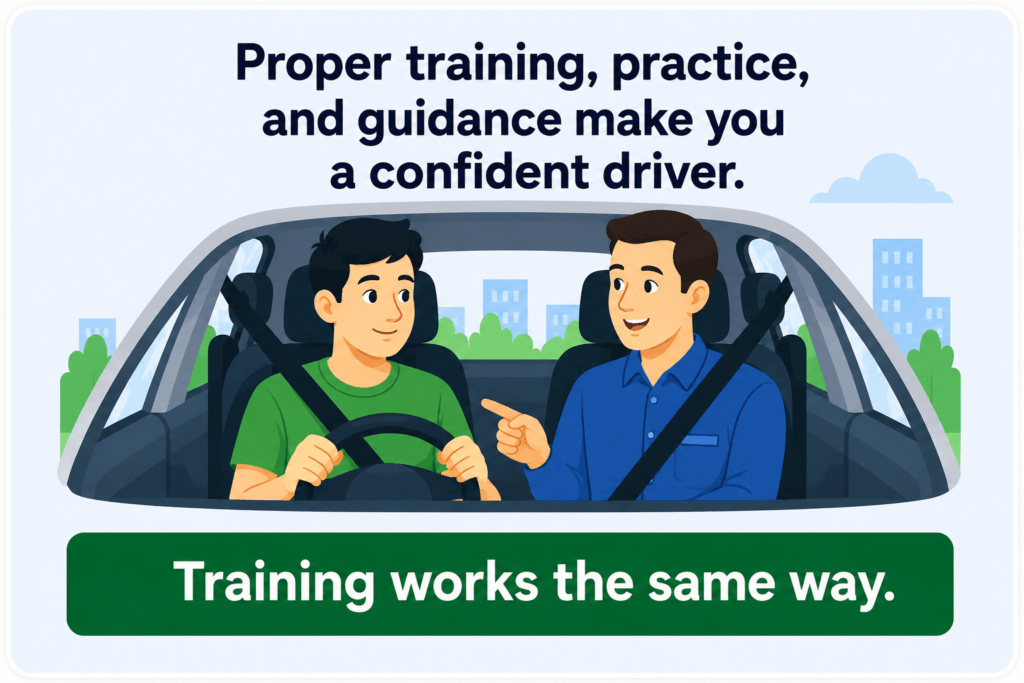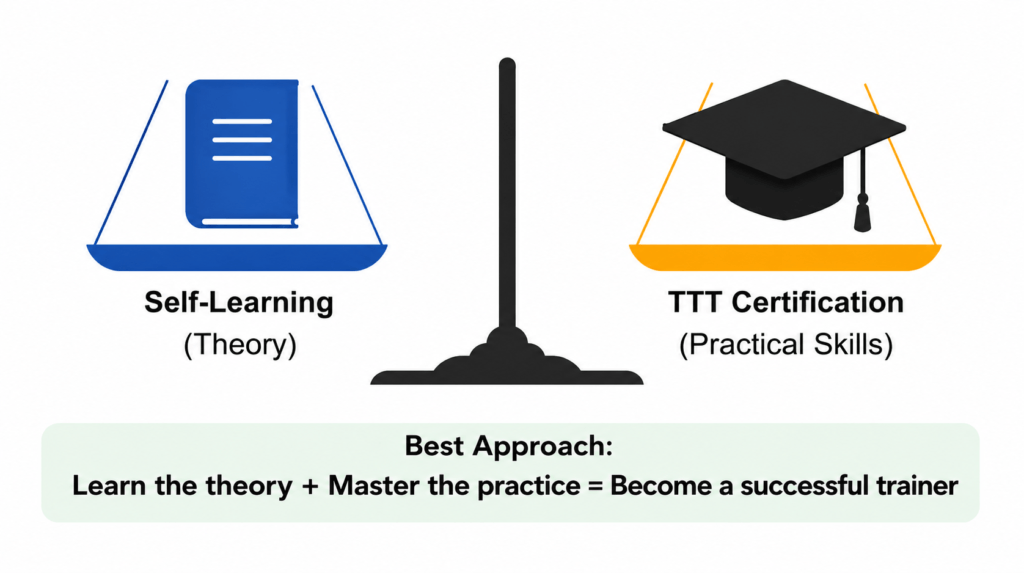

But here's the question most aspiring trainers struggle with: Is self-learning enough to become a successful trainer, or do you actually need a Train The Trainer (TTT) certification?

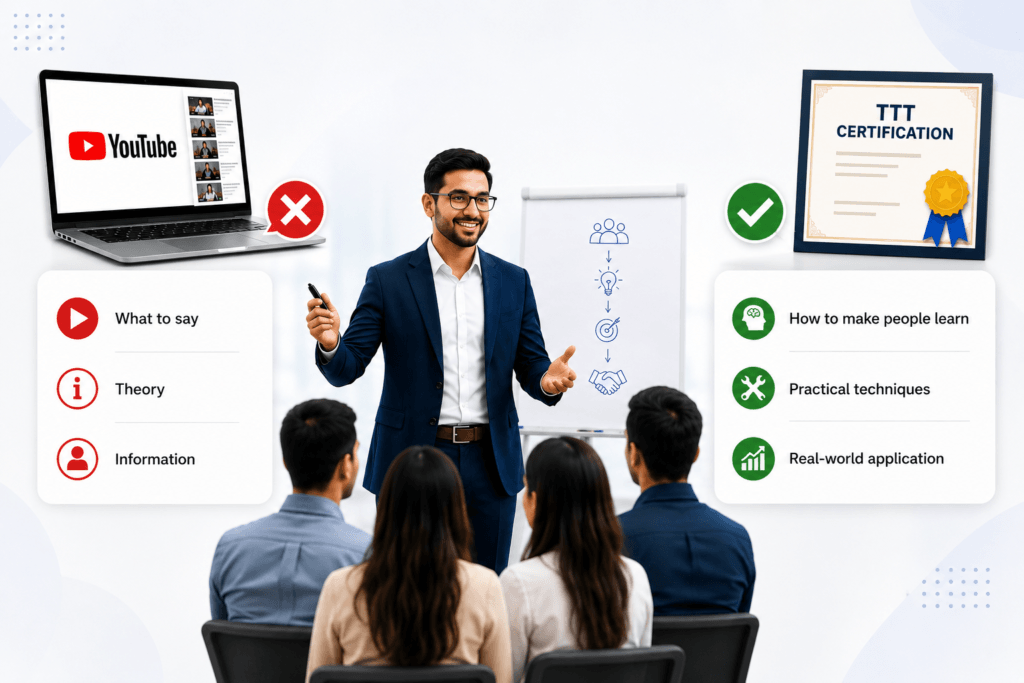
Follows a proven curriculum with step-by-step guidance.

Focuses on adult learning principles, training techniques, and facilitation skills.

Includes role-plays, activities, presentations, and real-time feedback.
Earn a recognized certification that boosts your professional credibility.

Opens doors to trainer roles, higher responsibilities, and better opportunities

No fixed path. You learn whatever and however you find.

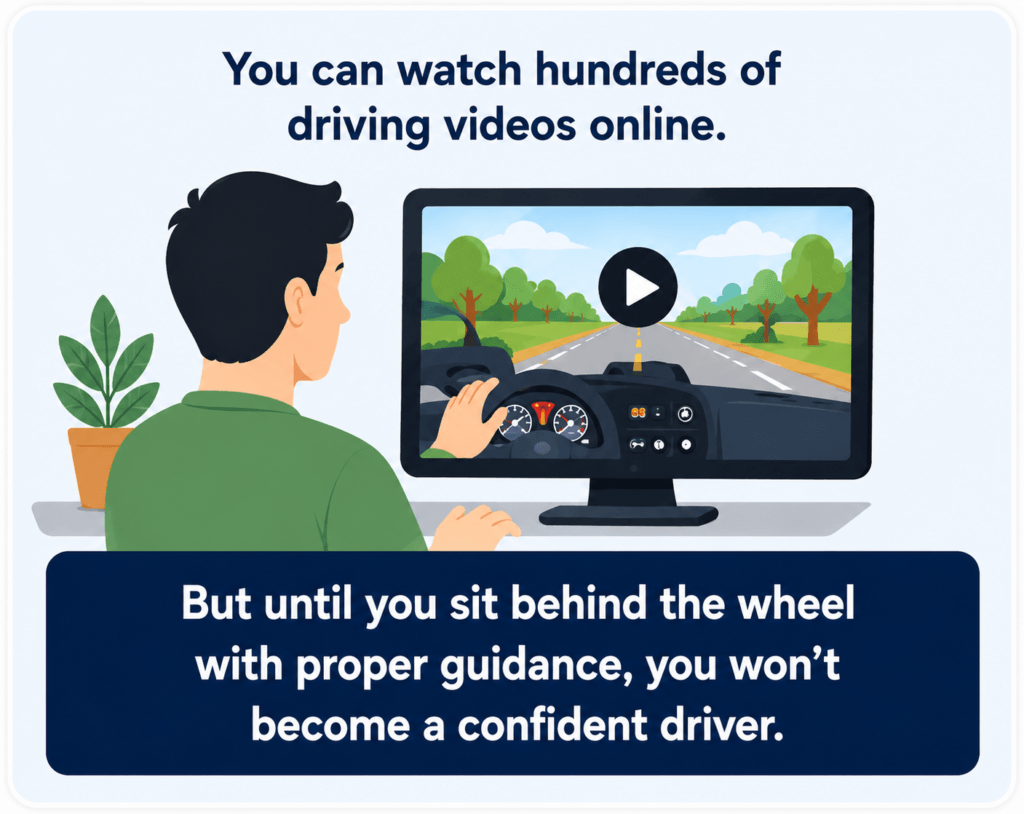
Helps you understand a topic but not neccessarily how to teach it.

Limited or no opportunity to practice, get feedback, or improve.

You dont get a recognized credential for self-learning.

Knowledge stas with you unleass you know how to apply and teach it.


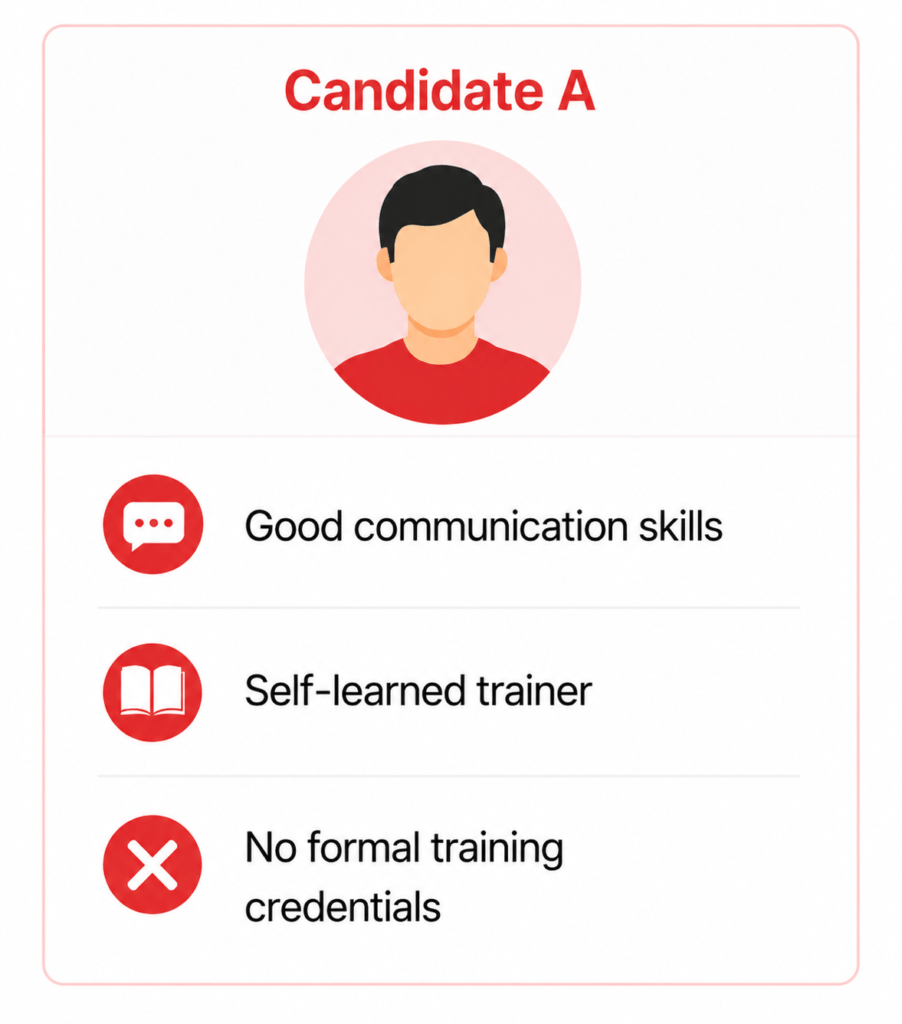
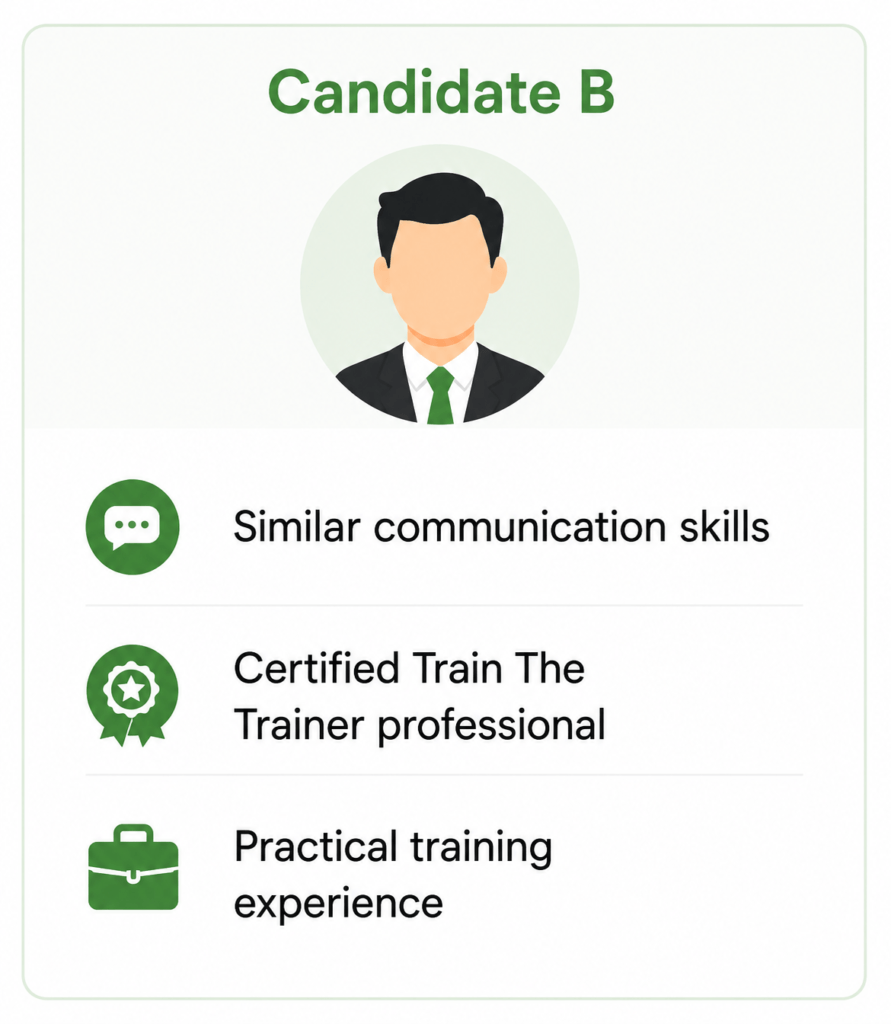
Most will choose Candidate B.

No, TTT certification is not mandatory to become a trainer. Many professionals start by sharing their knowledge through self-learning and practical experience. However, a TTT certification helps you build credibility, improve your training techniques, and gain confidence when working with participants. It can also make it easier to secure opportunities with companies, colleges, and training organizations.
There is no specific degree required to become a soft skills trainer. Trainers come from various educational backgrounds including engineering, commerce, management, education, and the arts. What matters most is your ability to communicate effectively, engage learners, and help people improve their skills.
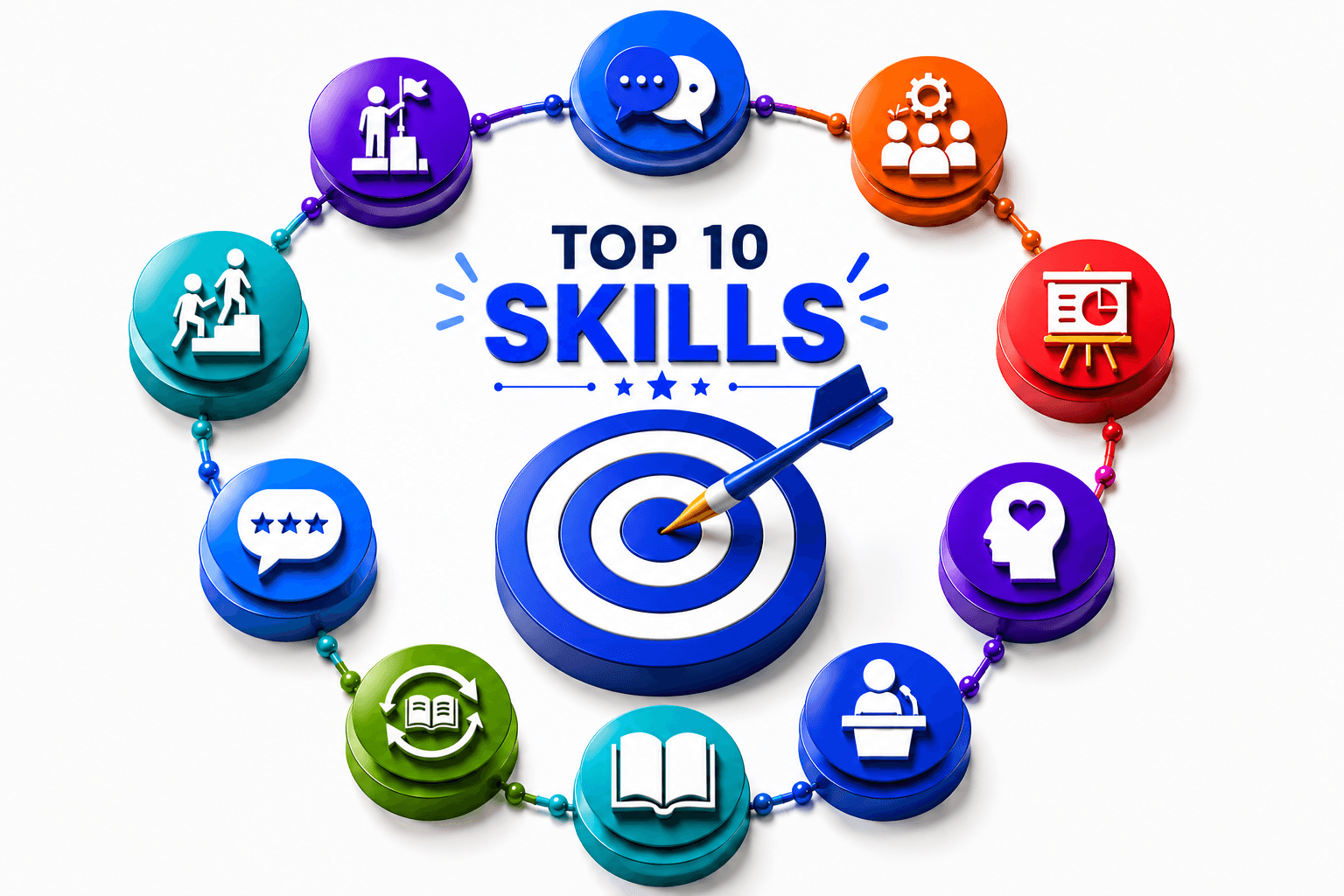
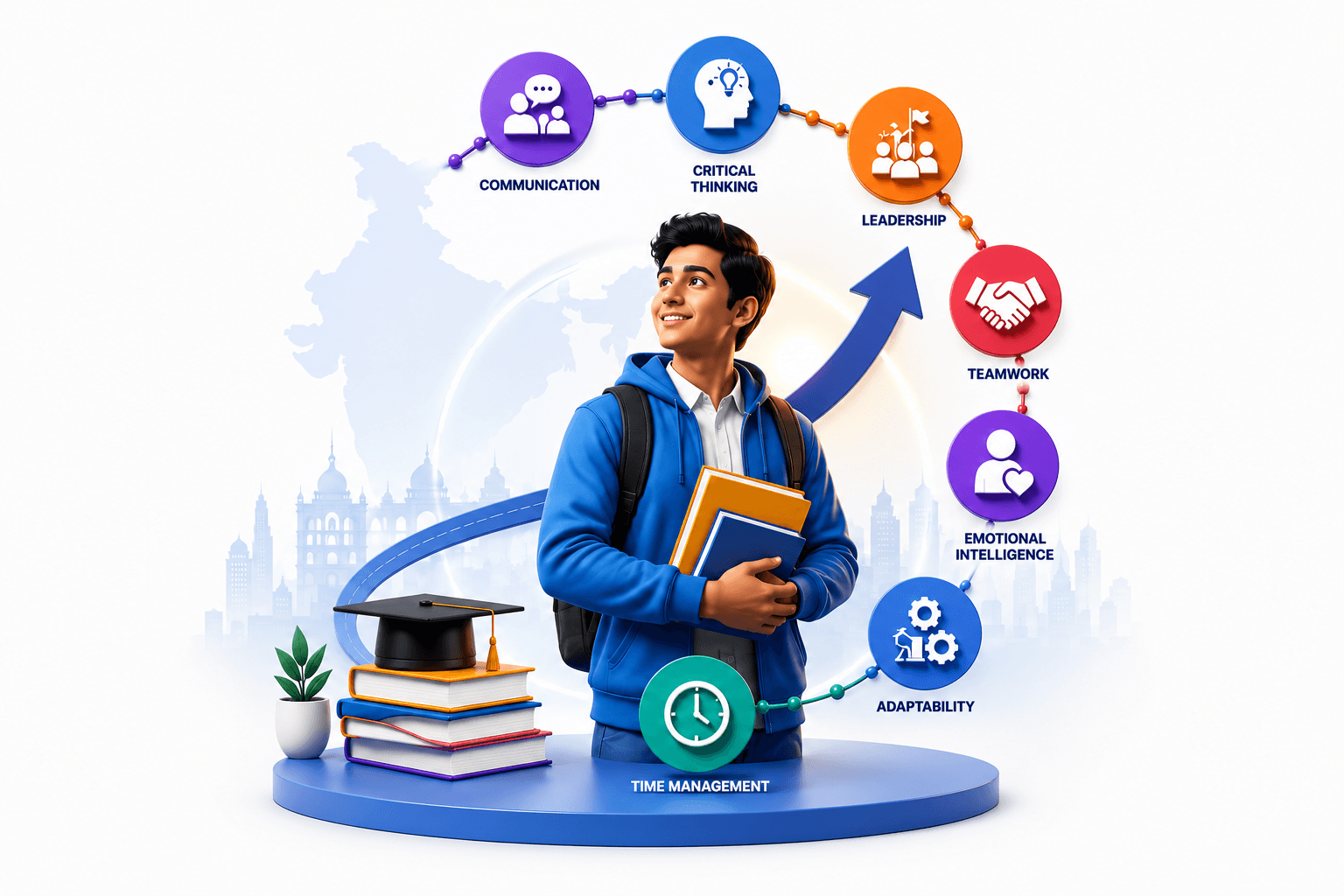
The most important skills for trainers include communication, facilitation, leadership, emotional intelligence, presentation skills, active listening, problem-solving, and audience engagement. Successful trainers know how to create meaningful learning experiences rather than simply deliver information.
Self-learning is an excellent way to build knowledge and improve your understanding of a subject. However, many aspiring trainers struggle with practical aspects such as session design, participant engagement, handling questions, and facilitating discussions. Combining self-learning with structured training often leads to better results.
TTT certification provides a structured learning path, practical assignments, expert feedback, and opportunities to practice training delivery. Self-learning helps you gain knowledge, while TTT certification helps you convert that knowledge into professional training skills.
One of the biggest mistakes is focusing only on subject knowledge. Many people know their topic well but struggle to teach it effectively. Great trainers learn how to engage participants, facilitate discussions, and create learning experiences that produce results.
For most beginners, the best approach is a combination of both. Self-learning helps you understand concepts and build subject knowledge, while TTT certification provides practical experience, guidance, and structured learning. Together, they create a stronger foundation for a training career.
Register for Train The Trainer 90 Minutes Free Masterclass and start your journey of becoming a successful edupreneur.