
Home  Blogs  > Why Soft Skills Training is the Future of Education in India

2026 Guide

Why Soft Skills Training is the Future of Education in India

You've probably seen this happen.
A student scores excellent marks throughout school and college. They know their subject well. But when it comes to interviews, presentations, group discussions, or workplace communication, they struggle to make an impact.

But then a question comes to your mind:

If good marks guarantee success, why do so many talented graduates struggle in interviews and workplaces? The answer often lies in a gap that traditional education doesn't always address—soft skills.
Today's world rewards people who can communicate clearly, work with others, solve problems, adapt to change, and lead confidently. That's why soft skills training is becoming one of the most important parts of education in India.

Whether you're a teacher, HR professional, aspiring trainer, working professional, or fresh graduate looking for a meaningful career path, understanding this shift can open up exciting opportunities.

Let's explore why soft skills training is shaping the future of education in India—and how you can Become a certified soft skills trainer yourself.

What Are Soft Skills and Why Do They Matter?

Soft skills are the personal and professional abilities that help us interact effectively with others and succeed in real-world situations.

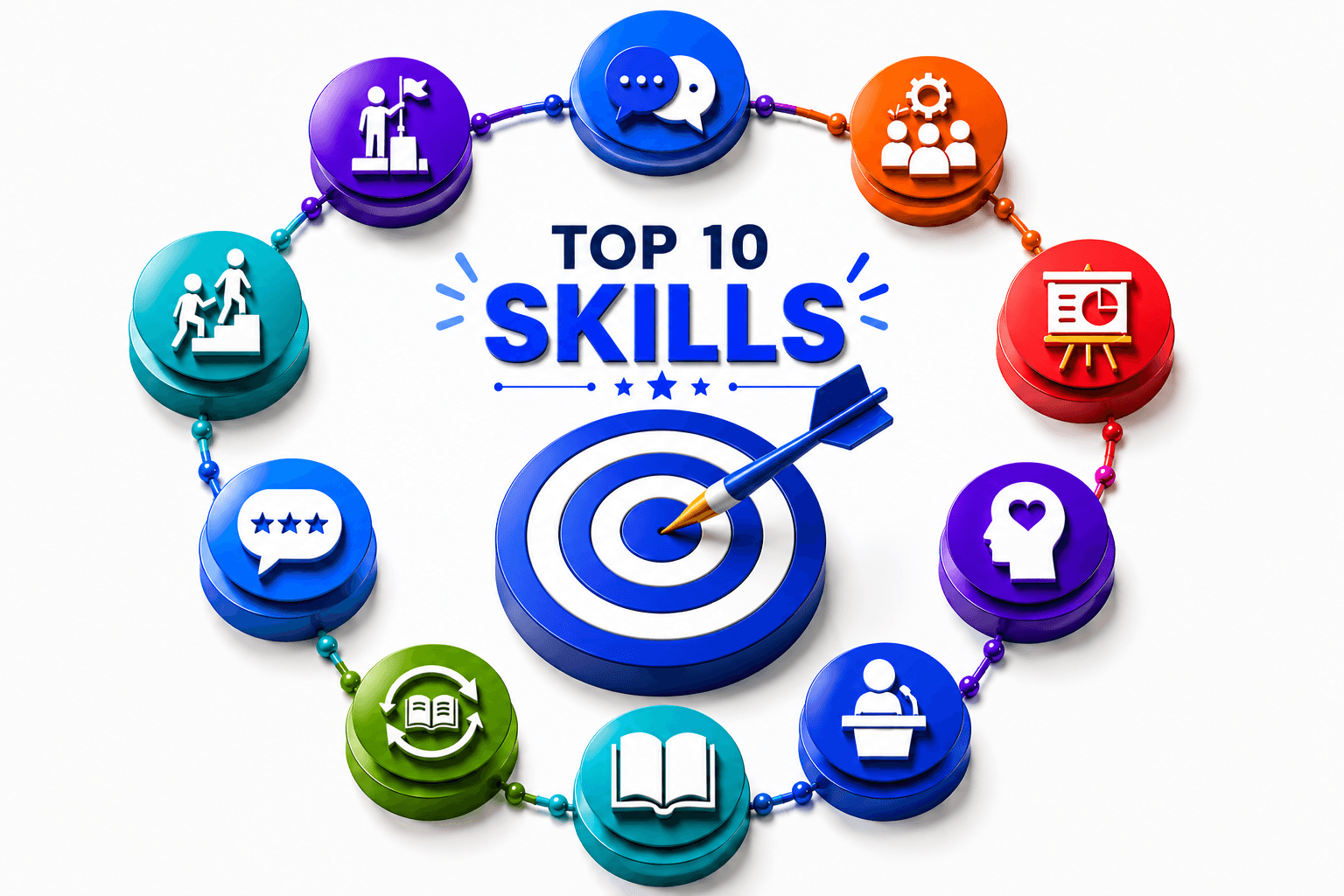
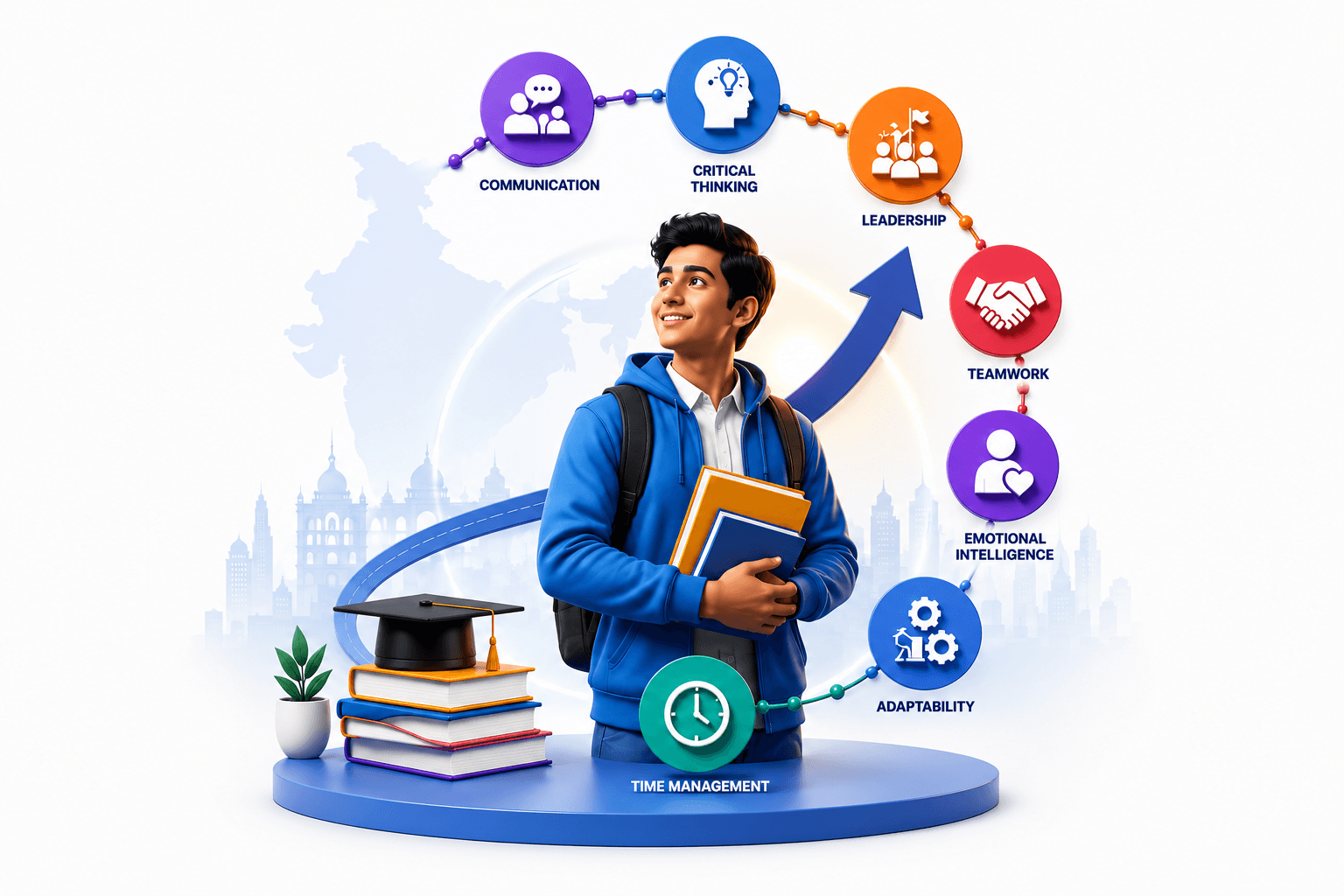
Some of the most important soft skills include:

📢 Communication Skills

The ability to express ideas clearly and confidently, whether through speaking, writing, or listening. Strong communication helps build relationships and avoid misunderstandings.

🎤 Public Speaking

The confidence to speak in front of an audience and present ideas effectively. It is an essential skill for interviews, presentations, meetings, and leadership roles.

👑 Leadership

The ability to guide, motivate, and influence others toward a common goal. Leadership isn't limited to managers—it's valuable at every stage of a career.

🤝 Teamwork

The ability to collaborate effectively with others, respect different perspectives, and contribute toward shared objectives. Most workplaces today rely heavily on teamwork.

❤️ Emotional Intelligence

The ability to understand and manage your own emotions while also recognizing and responding to the emotions of others. It plays a key role in building strong professional relationships.

🧩 Problem Solving

The ability to identify challenges, analyze situations, and find practical solutions. Employers highly value individuals who can think independently and overcome obstacles.

⏰ Time Management

The skill of organizing tasks, setting priorities, and meeting deadlines efficiently. Good time management improves productivity and reduces stress.

🔄 Adaptability

The ability to adjust to new situations, technologies, and workplace changes. In a fast-changing world, adaptability has become one of the most valuable professional skills.

🧠 Critical Thinking

The ability to evaluate information objectively, question assumptions, and make informed decisions. It helps individuals solve complex problems more effectively.

📊 Presentation Skills

The ability to deliver information in an engaging, structured, and impactful manner. Strong presentation skills help professionals influence audiences and communicate ideas effectively.

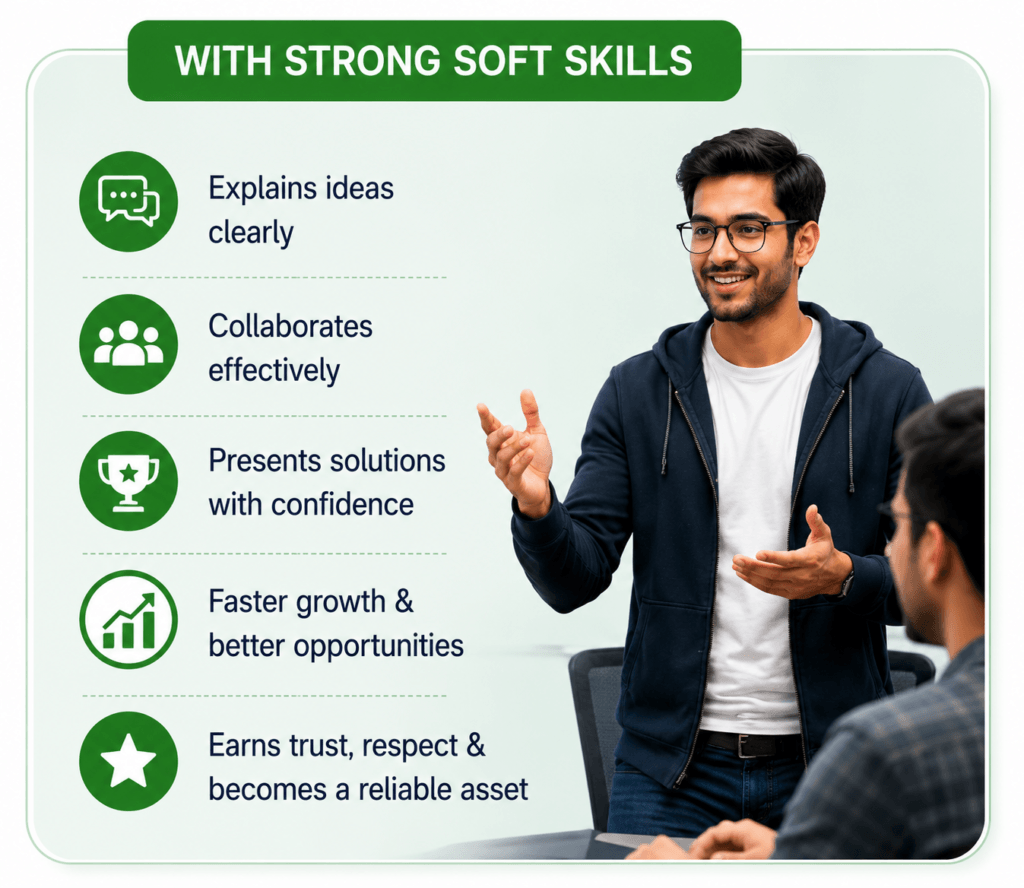
Think about a software engineer.

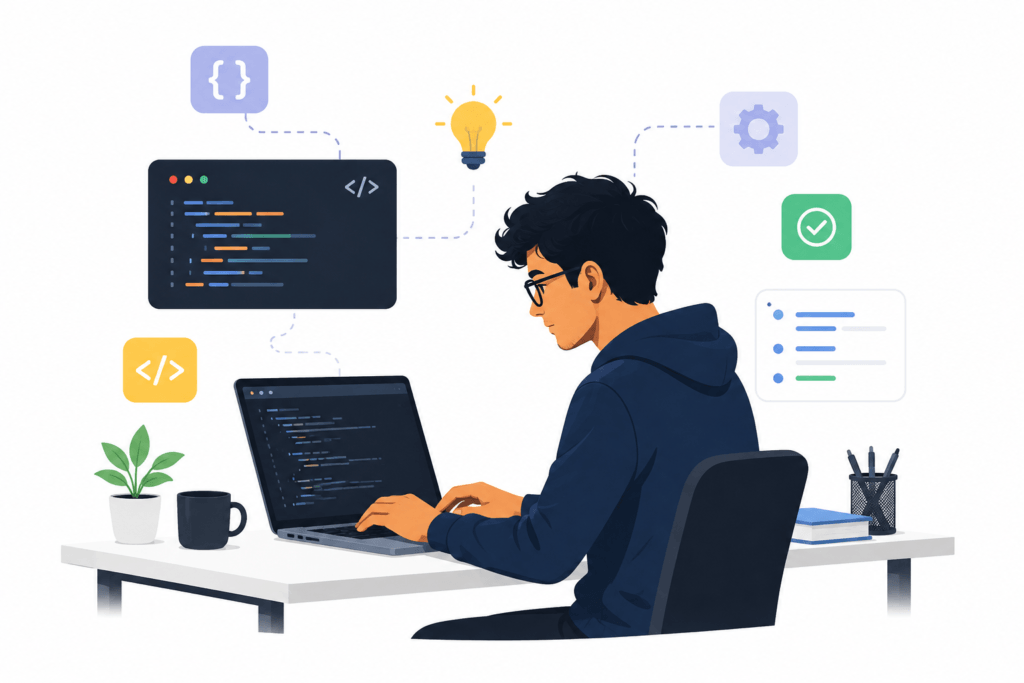
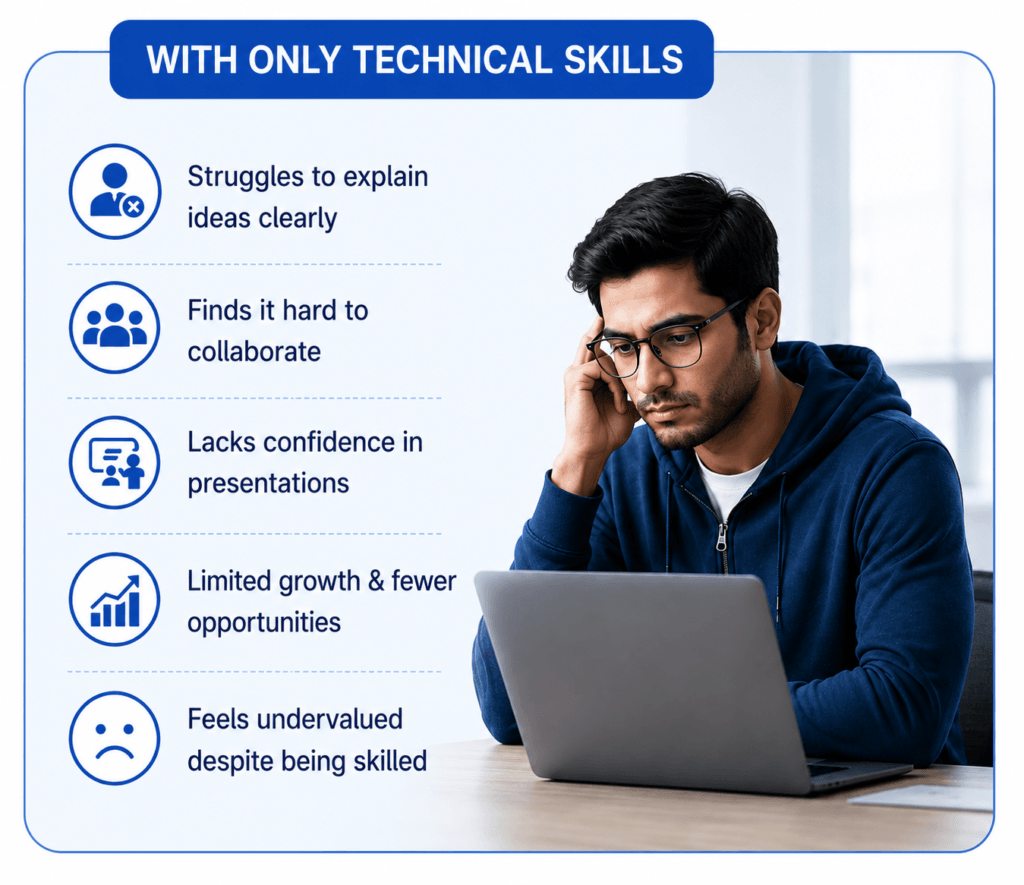
They may be excellent at coding. But if they cannot explain ideas to clients, collaborate with team members, or present solutions confidently, their growth becomes limited.

The same applies to Teachers, Doctors, Managers, Entrepreneurs, and almost every Other Profession.

Technical skills may help you get hired. Soft skills help you grow.

Why Is Soft Skills Training Becoming So Important in India?

India is producing millions of graduates every year.

Yet employers across industries continue to report a major challenge—many candidates have the required qualifications but lack workplace-ready skills.

Companies today are looking for people who can:

📢 Communicate professionally, 🤝 Work effectively in teams, 💼 Handle clients confidently, 🧠 Think critically,
🔄 Adapt to changing environments

This gap between education and employability is one of the biggest reasons soft skills training has become essential.

Organizations no longer want employees who only know things. They want employees who can apply what they know.

Why Schools and Colleges Are Investing More in Soft Skills Training

Education in India is evolving. For decades, the focus was heavily on memorization and examination scores. Today, educational institutions are realizing that success requires much more than academic achievement.

Student Needs to Learn How to:

🗣️ Present ideas confidently

Speak clearly and express thoughts with confidence in front of others.

🤝 Work on collaborative projects

Work together in teams by sharing ideas and responsibilities.

🧩 Solve practical problems

Think logically and find simple solutions to real-life situations.

👨‍💼 Lead teams

Guide and support others to achieve common goals effectively.

💬 Communicate effectively

Share ideas clearly and listen properly to understand others.

This is why schools and colleges are increasingly introducing:

Personality Development Programs

Communication Workshops

Leadership Activities

Career Readiness Sessions

Employability Training

Why Soft Skills Matter More After NEP 2020

One of the biggest reasons soft skills training is growing rapidly is the implementation of the National Education Policy (NEP) 2020.

The policy encourages a shift away from rote learning and toward skill-based education.

NEP 2020 emphasizes the development of:
Communication Skills, Critical Thinking, Creativity, Collaboration, Leadership, Problem Solving.

This means soft skills are no longer considered optional. They are becoming a core component of modern education in India.

As educational institutions align themselves with these goals, the demand for qualified soft skills trainers will continue to increase.

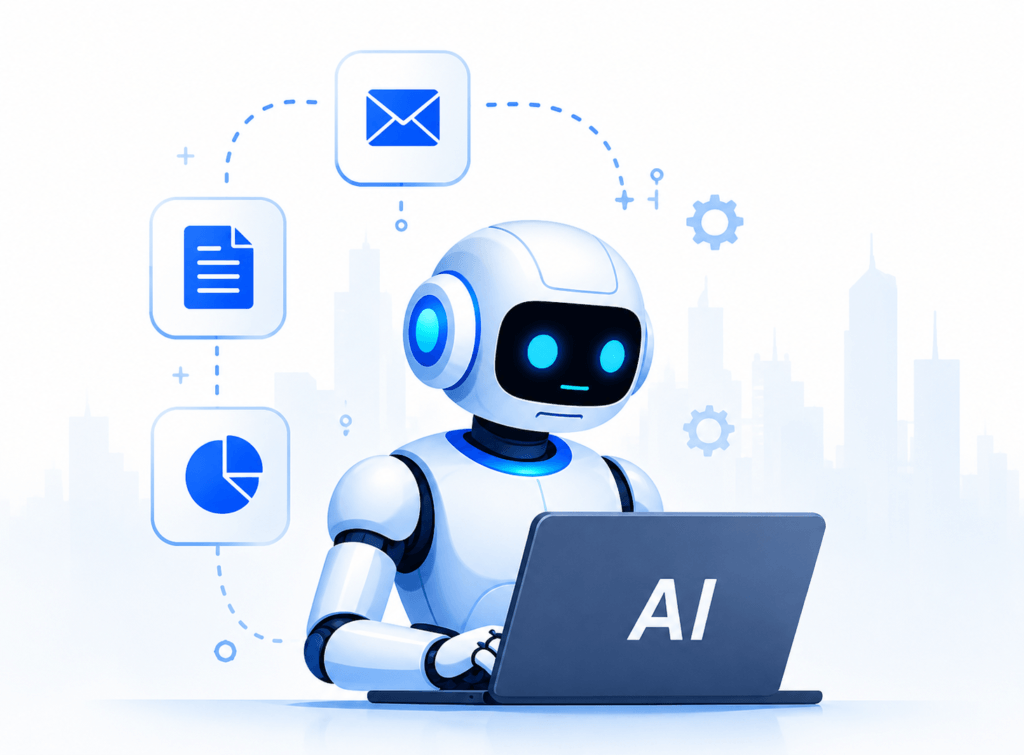
AI Can Replace Tasks, Not Human Skills

AI Can

Write E-mails

Generate Reports

Create Presentations

Automate Repetitive Tasks

Analyze Data

Summarize Information

But AI Cannot

Build Trust

Inspire Teams

Lead People

Handle Emotions

Negotiate Effectively

Coach Individuals

Why the Demand for Soft Skills Trainers Will Continue Growing

Several major trends are driving demand:

Increasing Corporate Training Budgets

Organizations are investing more in employee training to improve productivity, teamwork, leadership, and workplace performance. Soft skills training has become a key part of employee development programs.

Focus on Employability

Colleges and universities are focusing on preparing students for real-world careers, not just academic success. Employers today value communication, teamwork, and problem-solving skills alongside technical knowledge.

Entrepreneurship Growth

As more people start their own businesses, the need for strong communication, leadership, and people-management skills continues to grow. Entrepreneurs must effectively manage teams, clients, and business relationships to succeed.

Hybrid Work Culture

Remote and hybrid work environments require employees to communicate clearly and collaborate effectively across digital platforms. Strong soft skills help teams stay connected, productive, and engaged regardless of location.

Leadership Development Needs

Organizations are constantly looking for future leaders who can motivate teams, make informed decisions, and drive business growth. Leadership training helps employees develop the confidence and skills needed to take on greater responsibilities.

Frequently Asked Questions

1. Why are soft skills important in today's education system?

Modern education is moving beyond memorization and exam scores to focus on practical skills that prepare students for real-world challenges. Soft skills help students communicate confidently, work in teams, and adapt to changing situations. These abilities are essential for both career success and personal growth.

2. How does NEP 2020 support soft skills development?

The National Education Policy (NEP) 2020 encourages a shift from rote learning to skill-based education. It emphasizes critical thinking, communication, creativity, collaboration, and problem-solving as key learning outcomes. As schools and colleges adopt these goals, the need for soft skills training continues to grow.

3. Why is the demand for soft skills trainers increasing in India?

Educational institutions and organizations increasingly recognize that technical knowledge alone is not enough for success. They need professionals who can train students and employees in communication, leadership, teamwork, and workplace readiness. This growing focus has created strong demand for qualified soft skills trainers.

4. Can AI replace soft skills trainers?

AI can automate tasks such as writing emails, generating reports, and analyzing data, but it cannot fully replace human interaction. Soft skills training often involves building trust, motivating individuals, handling emotions, and providing personalized coaching. These human-centered abilities remain difficult for AI to replicate effectively.

5. How do soft skills improve employability?

Employers look for candidates who can communicate clearly, solve problems, and work effectively with others. Soft skills help job seekers perform better in interviews, adapt quickly to workplace environments, and build strong professional relationships. These qualities often influence hiring decisions as much as technical expertise.

6. Is soft skills training a future-proof career?

As technology continues to automate routine tasks, human-centered skills become even more valuable. Communication, empathy, leadership, and coaching are qualities that remain difficult to automate. This makes soft skills training one of the most stable and future-ready career options available today.

7. Why is soft skills training considered the future of education in India?

India’s education system is increasingly focused on preparing students for real-world success rather than only academic achievement. Soft skills help bridge the gap between knowledge and practical application by developing communication, leadership, collaboration, and workplace readiness. As educational institutions and employers continue prioritizing these skills, soft skills training will play a central role in shaping the future of education in India.


In This Article

Start Your Coaching Journey

Gain the skills, confidence, and certification needed to build a successful coaching business as a soft skills trainer.

Share This Article

In the future, success will belong not just to those who know more, but to those who communicate, collaborate, and lead effectively.

The Future Belongs to People Who Can Work With People

Most discussions about education focus on degrees, technology, and technical skills.

But the real question is?
Who will teach the skills that help people succeed in the workplace and in life?

As schools, colleges, and companies continue investing in employability and workplace readiness, the demand for qualified soft skills trainers will only increase. The future of education in India isn't about choosing between technical skills and soft skills. It's about combining both. Knowledge may open doors. Soft skills help people walk through them confidently.

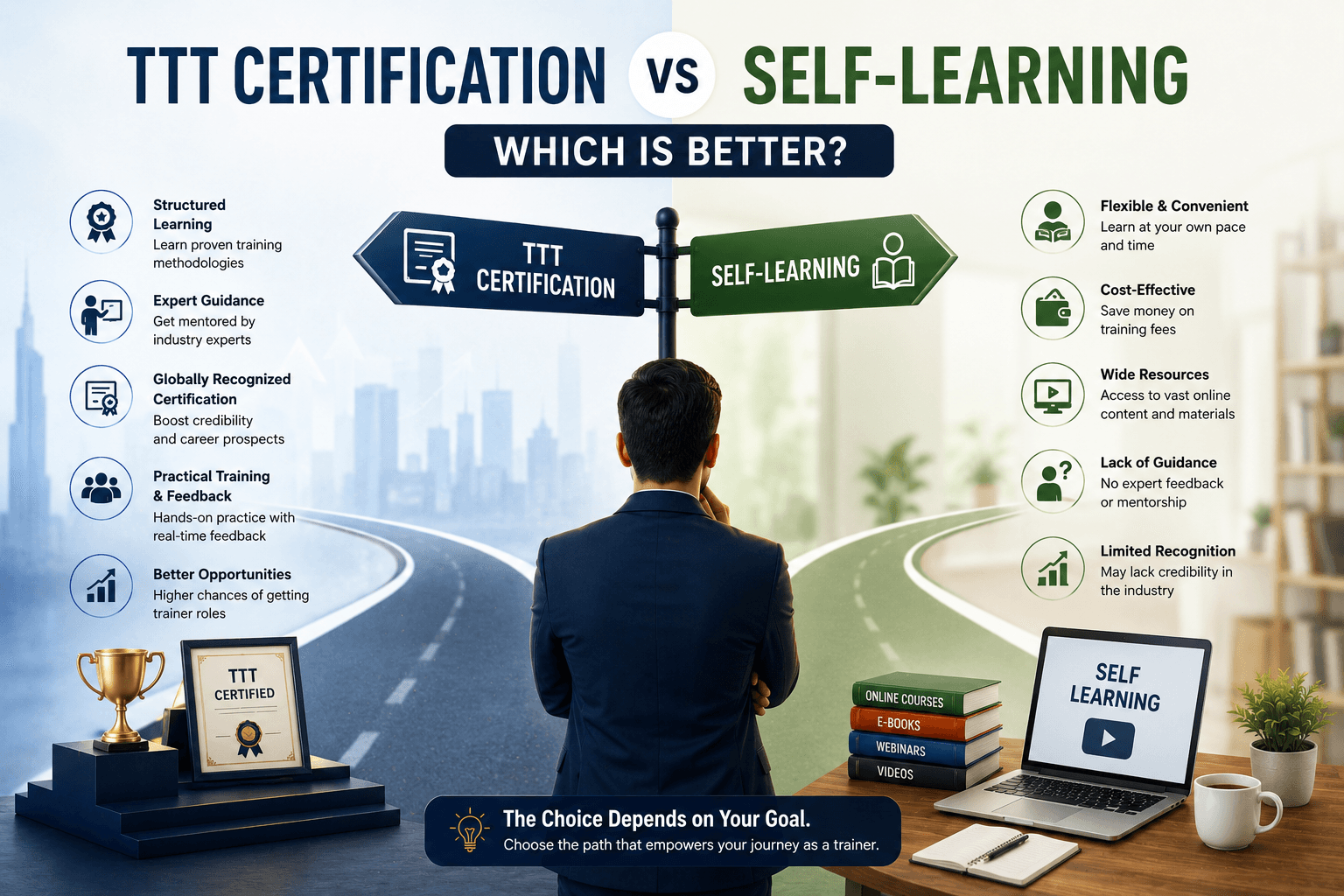
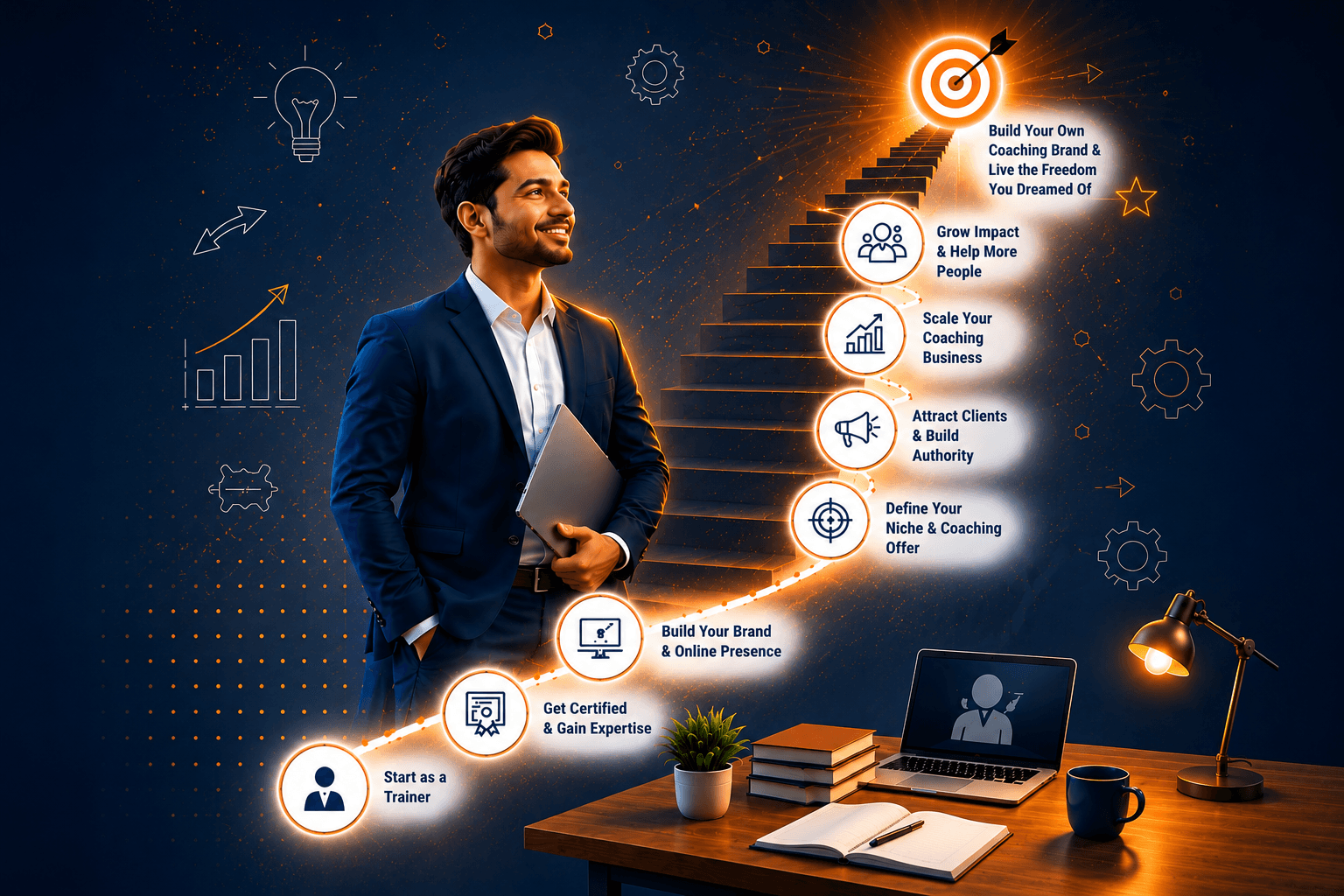
For those looking for a meaningful, flexible, and future-proof career, becoming a certified soft skills trainer is one of the most promising opportunities available today.

Ready to Become a Certified Soft Skills Trainer?

If you want to become a successful soft skills trainer, Smart Sutra's Train the Trainer (TTT) Program can help you learn how to conduct engaging training sessions, develop training skills, and build a rewarding career in the training industry.

Banking Workshop POP-UP Fluent Form POP-UP

Start here...

Register for Train The Trainer 90 Minutes Free Masterclass and start your journey of becoming a successful edupreneur.

TTT Masterclass Registration | FREE
Banking Workshop POP-UP Fluent Form POP-UP